

A third-class degree closes some scholarships — not all. Seven practical steps to widen your odds in 2026.
Many flagship awards still ask for a first or a 2:1. That is real. It is not the whole map. Some funds score leadership, work, need, and a later academic record. This Opportunity Station guide is original copy — it is not a reprint of any third-party blog — and it tells you where to look, what to build, and what not to waste time on.
Quick Guide — 7 Steps with a Third-Class Degree
| Step | What to do |
|---|---|
| 1. Filter by the grade rule | Read the minimum class first. Skip every call you already fail. |
| 2. Build proof of work | Jobs, internships, community projects — with numbers, not job titles. |
| 3. Add a later academic signal | Recognised short courses, a PGD, or a pre-master’s if the university accepts it. |
| 4. Write a tight statement | One honest line on the degree, then growth, fit, and a concrete plan. |
| 5. Win admission first | Find universities that score experience; funding is a separate decision. |
| 6. Get specific referees | People who saw you deliver, not famous names with empty letters. |
| 7. Apply a short, eligible list | Fewer complete files beat dozens of ineligible ones. |
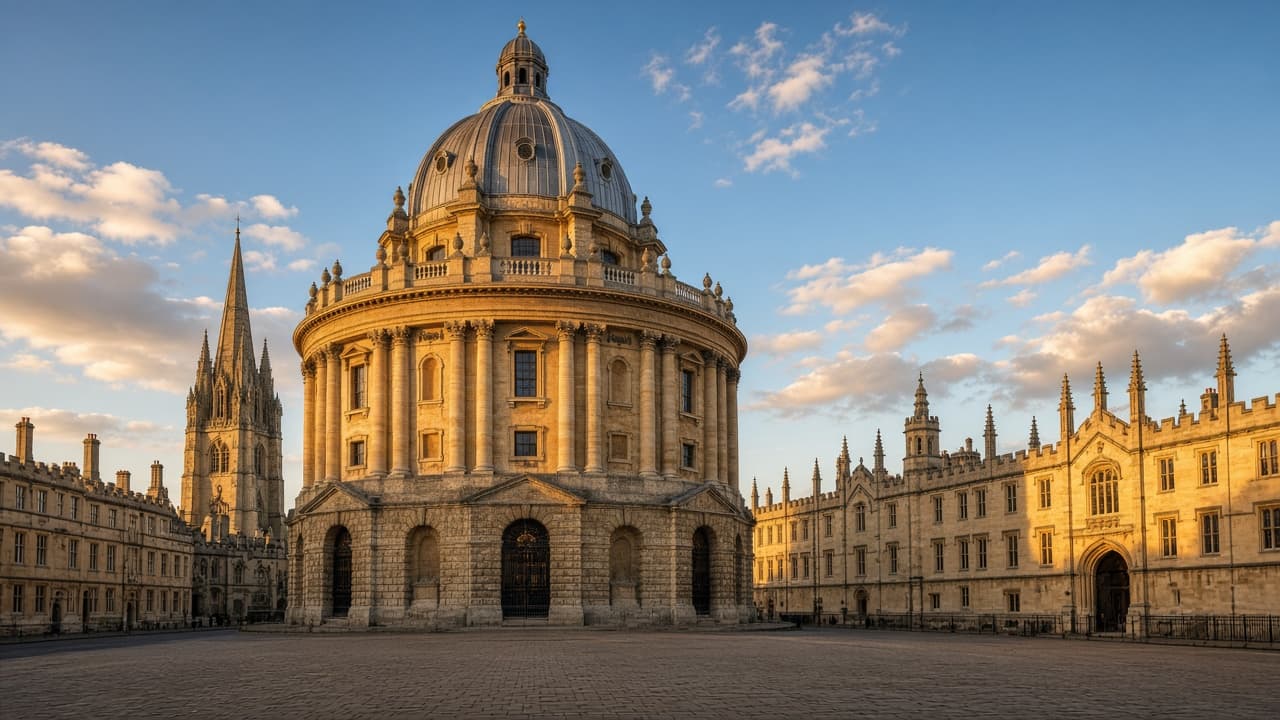
| Landmark | Radcliffe Camera, Oxford, United Kingdom 🇬🇧 |
1. Filter by the Grade Rule Before You Draft Anything
Open the eligibility page and look for “first class,” “2:1,” “upper second,” or a GPA floor. If the line is hard, close the tab. Applying anyway does not look ambitious; it looks unread.
Hunt instead for funds that score a whole file: work, service, need, or a later qualification. Leadership programmes can still require a master’s place — Chevening, for example, cares about leadership and a UK-admissible degree. If the university will not admit a third class, that scholarship is closed too. Confirm both doors.
2. Build Proof of Work in the Field You Want to Study
A weak transcript is easier to outweigh with two years of relevant work than with adjectives. Take a job, internship, research assistant post, or a community project in the same field as the master’s.
Write results, not duties: people trained, budget handled, policy drafted, revenue saved. “Volunteered at an NGO” is noise. “Ran a 40-person youth clinic with a monthly report the district office used” is evidence you can study at the next level.
3. Add a Later Academic Signal
The third class is on the record. It does not have to be the last mark a committee sees. A recognised professional certificate, an accredited short course, or a postgraduate diploma can show you can pass assessed work now.
Some universities offer a pre-master’s or qualifying year for applicants below the usual class. Before you pay, ask admissions in writing whether that route leads to the degree — and whether the scholarship you want will fund it. An unrecognised certificate wastes money.
4. Write a Tight Personal Statement
You may name, in a few sentences, what hurt the undergraduate result — illness, work, a bad fit — then stop. A three-page apology is a second weak transcript.
Spend the rest of the page on what you did after graduation, why this programme, and what you will do with it. Use scenes and numbers from step 2. A strong statement does not delete a third class. It shows a person who has already started the next chapter.
5. Win University Admission on a Flexible Route
Funding and admission are two offices. A scholarship cannot pay for a place you were never offered. Look for departments that weigh substantial work experience or a PGD alongside the bachelor’s class. Email admissions with your transcript and CV and ask, plainly, whether a qualifying route exists.
Only after a realistic offer (or a written pathway) should you spend hours on the scholarship form. See also our guides on winning scholarships with a low CGPA and studying in Canada with a low CGPA.
6. Get Recommendation Letters That Cite Real Work
Pick a supervisor, lecturer, or project lead who watched you finish something. Ask them to name a problem, what you did, and the result. A generic letter from a famous person is weaker than a specific letter from a line manager.
Give referees your CV, the programme name, and two bullets they can expand. Ask early. Late, empty letters sink files that were otherwise ready.
7. Apply a Short List, Then Improve After Each No
Make a table: fund, grade rule, deadline, documents, whether you already meet it. Submit only the yes rows, complete and on time. Join a webinar if the host runs one. After a rejection, change one weak part — statement, experience, or the type of programme — before the next round.
Spray-and-pray applications to 2:1-only awards will not move a third-class file. Strategy will.
Related Reading and Live Calls on Opportunity Station
- How to Win Scholarships with a Low CGPA
- Study in Canada with a Low CGPA
- How to Get Into German Universities with a Low CGPA
- From Rejections to Congratulations
- How to Write a Winning Scholarship Essay
- 15 Global Scholarship Opportunities – November 5, 2026
- Browse scholarships
Frequently Asked Questions (FAQs)
Can I get a fully funded master’s with a third-class degree?
Sometimes, if the fund does not set a 2:1 floor and a university will admit you (often via work experience or a pre-master’s). Many famous awards will not. Read the grade line first.
Should I still apply for Chevening?
Only if you also meet Chevening’s academic and UK-admission rules. Leadership essays cannot replace a degree class the call requires. Check the current year’s criteria on Chevening’s own site.
Is a postgraduate diploma worth it?
Yes if a target university or scholarship recognises it as evidence you can handle postgraduate work. Ask them before you enrol.
How long should I wait and work before I apply?
Until you have documented results in the field you want to study — often 12–24 months of relevant work is more useful than another round of ineligible applications.