

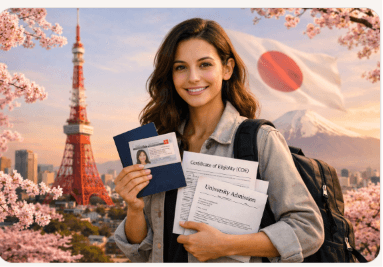
Studying in Japan is a dream for many international students. The country is known for its world-class universities, advanced technology, rich culture, and safe environment. Whether you are planning to pursue a bachelor's degree, master's program, PhD, or a Japanese language course, obtaining a Japan Student Visa is one of the most important steps before you begin your educational journey.
This guide explains the complete Japan Student Visa application process for 2026 in simple and easy-to-understand language. You will learn about eligibility, required documents, application procedures, processing times, visa fees, and useful tips to increase your chances of approval.
What is a Japan Student Visa?
A Japan Student Visa is a long-term visa issued to international students who have been accepted into an educational institution in Japan. It allows students to live in Japan while completing their studies.
Most international students receive a College Student Visa, which covers universities, graduate schools, vocational schools, and Japanese language institutes. For official guidance, visit Study in Japan — the government-approved information site.
Who Needs a Japan Student Visa?
You generally need a Japan Student Visa if:
- You are not a Japanese citizen.
- You have received admission from a recognized Japanese educational institution.
- Your course lasts more than 90 days.
- You meet Japan's immigration requirements.
Types of Japan Student Visas
Depending on your study program, your visa may cover:
- Japanese Language Schools
- Undergraduate Programs
- Master's Degrees
- Doctoral (PhD) Programs
- Vocational Colleges
- Exchange Programs
Eligibility Requirements
To qualify for a Japan Student Visa, you should:
- Hold a valid passport.
- Receive an official admission letter.
- Obtain a Certificate of Eligibility (COE).
- Show proof of financial support.
- Have no serious immigration violations.
- Meet the admission requirements of your institution.
Documents Required
Prepare the following documents before applying:
- Valid passport
- Visa application form
- Passport-size photographs
- University admission letter
- Certificate of Eligibility (COE)
- Academic transcripts
- Degree certificates
- Financial documents or bank statements
- Scholarship letter (if applicable)
- Sponsor documents (if sponsored)
- Flight itinerary (if requested)
Some embassies may ask for additional documents, so always check with the Japanese Embassy or Consulate in your country. Visa requirements are also published by the Ministry of Foreign Affairs of Japan.
What is the Certificate of Eligibility (COE)?
The Certificate of Eligibility (COE) is one of the most important documents required for a Japan Student Visa.
Your university or educational institution in Japan usually applies for the COE on your behalf through Japan's Immigration Services Agency.
Once approved, the COE is sent to you, and you submit it along with your visa application at the Japanese embassy or consulate.
Without a valid COE, your student visa application is unlikely to proceed.
Step-by-Step Japan Student Visa Application Process
Step 1: Apply to a Japanese University
Choose your preferred university or institution and complete the admission process. Explore Study in Japan scholarships to help fund your program.
Step 2: Receive Your Admission Letter
After meeting the admission requirements, the university will issue an official acceptance letter.
Step 3: Obtain Your Certificate of Eligibility (COE)
Your institution submits the COE application to Japan's Immigration Services Agency. Once approved, the COE is sent to you.
Step 4: Prepare Your Documents
Gather all required documents, including passport, COE, visa application form, photos, financial proof, and admission letter. A strong motivation letter for scholarships and statement of purpose (SOP) can support your overall application profile.
Step 5: Submit Your Visa Application
Visit the Japanese Embassy or Consulate serving your country and submit your application. Some countries require appointments before submission.
Step 6: Wait for Processing
Processing times vary depending on your country and application volume. It is recommended to apply several weeks before your planned departure.
Step 7: Receive Your Visa
Once approved, your passport will be returned with the Japan Student Visa.
Step 8: Travel to Japan
Carry your important documents, including your COE, admission letter, passport, and financial documents when entering Japan.
Financial Requirements
Applicants should be able to demonstrate sufficient funds to cover:
- Tuition Fees
- Accommodation
- Daily Living Expenses
- Transportation
- Health Insurance
Financial evidence may include:
- Personal bank statements
- Parent or sponsor bank statements
- Scholarship award letters
- Financial guarantee documents
See our guide on how to get a fully funded scholarship and the Japan Student Services Organization (JASSO) for scholarship and student support options.
Visa Fees
Visa fees vary depending on your nationality and the type of visa. Check the official Japanese Embassy visa information page for the latest fee schedule before applying.
Processing Time
The processing time for a Japan Student Visa varies depending on the embassy, time of year, and completeness of your application. To avoid delays, begin your application as soon as you receive your admission documents.
Arriving in Japan
After arriving in Japan:
- Complete immigration procedures.
- Receive your Residence Card (if applicable).
- Register your address with the local municipal office.
- Enroll in the National Health Insurance program if required.
- Attend your university's orientation sessions.
Residence status and immigration rules are managed by the Immigration Services Agency of Japan.
Common Reasons for Visa Rejection
Some common reasons include:
- Missing or incomplete documents
- Insufficient financial proof
- Errors in the application form
- Inconsistent information
- Invalid or missing Certificate of Eligibility (COE)
- Failure to meet immigration requirements
Double-check your application before submission to reduce the risk of rejection. A polished scholarship essay format and complete supporting documents help present a consistent profile.
Frequently Asked Questions
Is the Certificate of Eligibility mandatory?
Yes. The COE is a key document for most long-term student visa applications.
Can I work while studying in Japan?
International students may be allowed to work part-time after obtaining the appropriate permission from Japanese immigration authorities.
How long is the Japan Student Visa valid?
The validity depends on the length of your study program and the visa issued.
Can I renew my student visa?
Yes. Students who continue their studies may apply for an extension before their current period of stay expires.
Do I need health insurance?
Yes. International students are generally required to enroll in Japan's National Health Insurance system after arrival.
Final Thoughts
Japan offers an excellent academic environment, modern facilities, and outstanding career opportunities for international students. By preparing your documents carefully and following the correct application process, you can improve your chances of obtaining a Japan Student Visa successfully.
Apply early, stay organized, and always follow the latest instructions provided by the Japanese Embassy or your educational institution.